U.S. Drone Future Force: Structure and Acquisition
The future is unmanned and agile
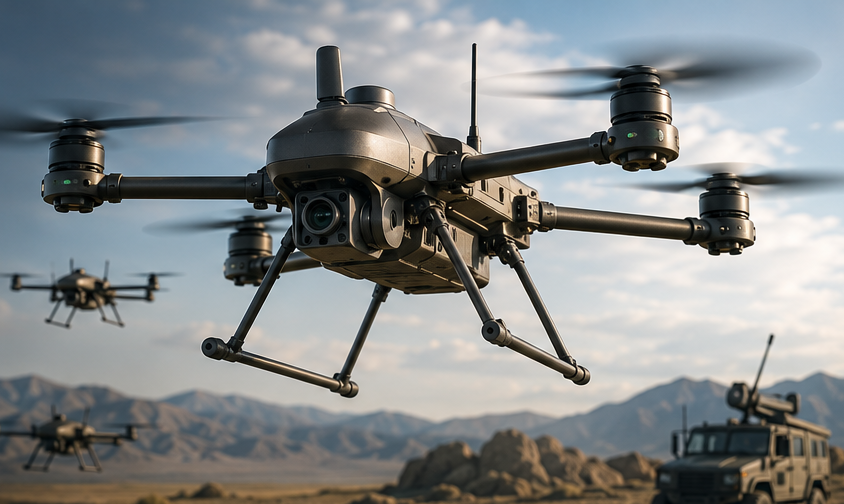
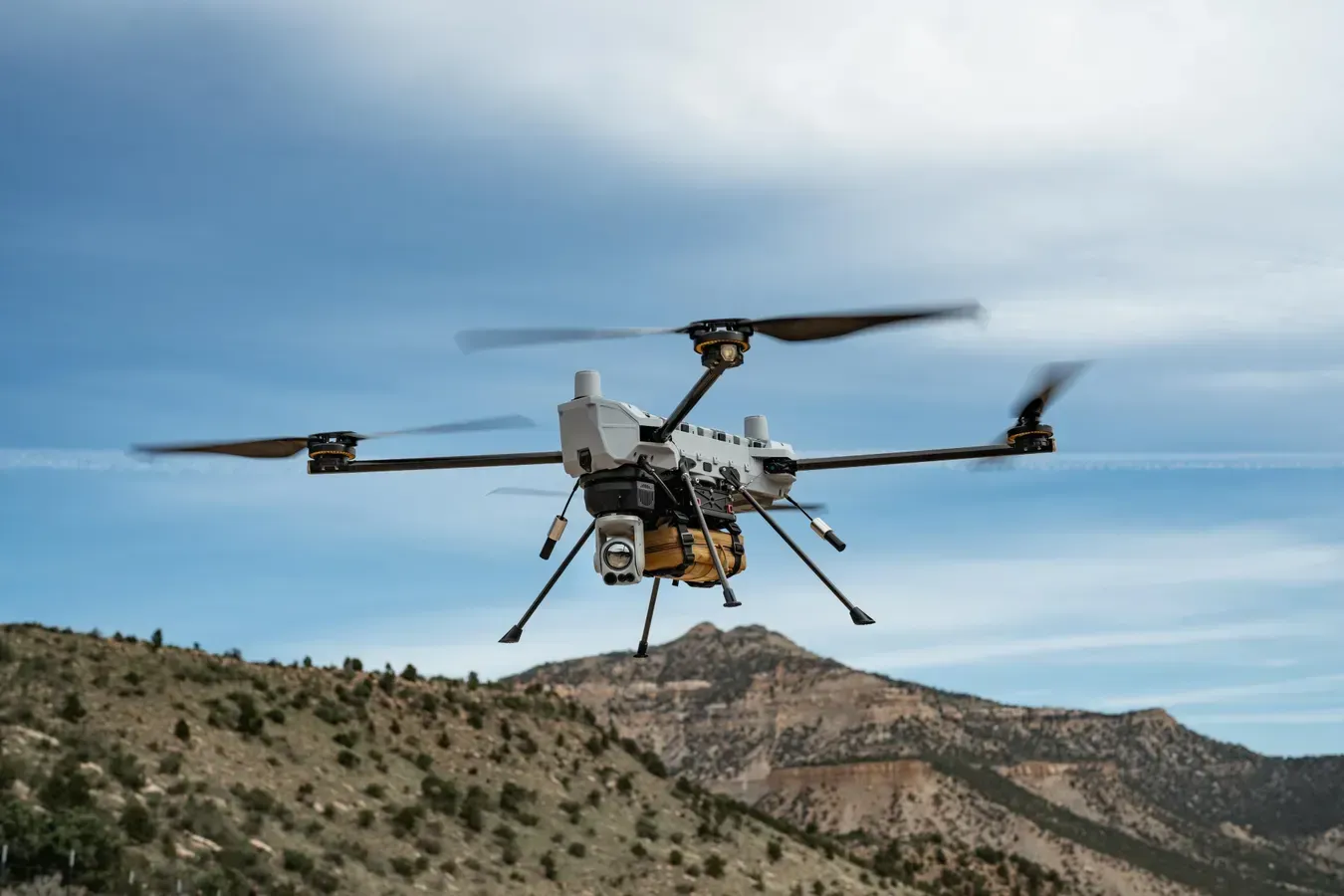
The Department of Defense is no longer treating unmanned systems as a niche capability. Instead, drones, autonomy, AI-enabled systems, and rapid procurement are becoming central to future force structure and acquisition.
Steve Hunt
July 1st, 2026
The Pentagon issued a memo describing a new office intended to coordinate unmanned and autonomous systems across the services, while recent directives also emphasize faster procurement, broader fielding of low-cost drones, and greater use of commercial technology.
For Capture Management Services and our principal manufacturers, I think the key takeaway isn't "sell drone parts." It's that the supply chain is shifting toward high-volume, rapidly fielded, manufacturable hardware. That creates opportunities across many manufacturing capabilities.
What this means for metal manufacturers:
1. Production volume is likely to increase dramatically
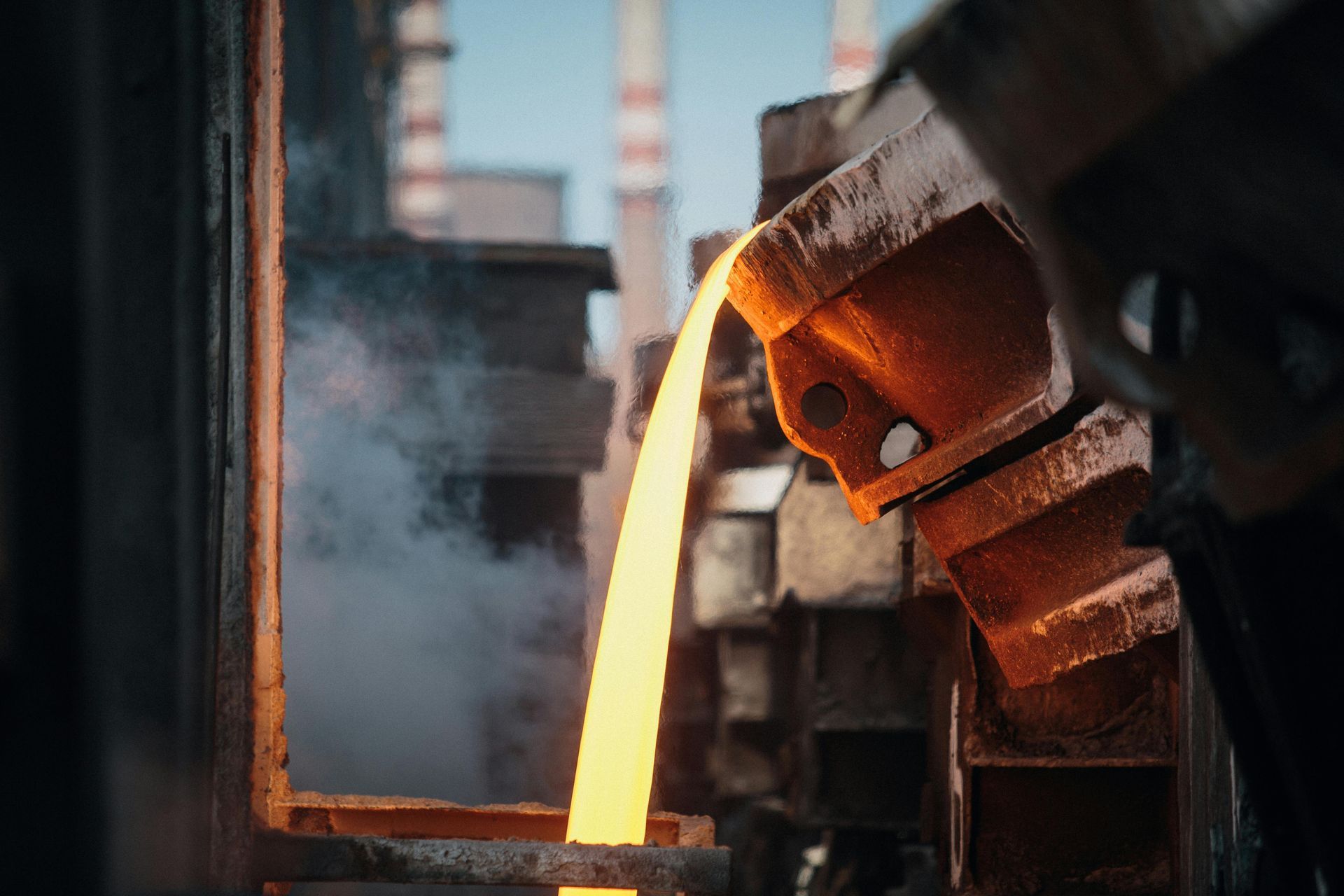
The Pentagon is moving from buying hundreds of unmanned systems to buying tens or even hundreds of thousands of attritable systems. That means suppliers who can manufacture repeatedly, at quality, and with short lead times become much more valuable.
This favors companies with:
- Domestic foundry capacity
- Stable labor
- Machining capacity
- Repeatable quality systems
- Rapid tooling capabilities
2. Castings become more important—not less
People often think drones are mostly composites and electronics.
In reality, autonomous systems still require numerous metal components, including:
- Engine housings
- Gearboxes
- Gear cases
- Motor housings
- Heat sinks
- Suspension components
- Steering components
- Payload brackets
- Sensor housings
- Ground control hardware
- Launch and recovery equipment
- Ground support equipment
Many of these components are ideal candidates for:
- Aluminum permanent mold
- Aluminum low-pressure casting
- High-pressure die casting
- Investment casting
- Ductile iron castings
- Precision machining
3. The government is prioritizing speed
One consistent theme is reducing acquisition bureaucracy so systems can move from concept to production much faster. That means suppliers able to quote quickly, build tooling rapidly, and scale production will have an advantage.
That aligns well with your value proposition around responsiveness and available capacity.
4. Supply chain resilience matters more than lowest cost
Rather than relying on a single source, defense programs are increasingly focused on:
- Domestic production
- Multiple qualified suppliers
- Geographic diversity
- Business continuity
- Surge capacity
5. Don't focus only on drone OEMs
One of the biggest opportunities is actually the broader ecosystem.
Potential targets include:
- Drone manufacturers
- Launch system manufacturers
- Autonomous ground vehicle manufacturers
- Counter-UAS companies
- Sensor companies
- Electronics enclosure manufacturers
- Tactical communications companies
- Trailer manufacturers
- Mobile command centers
- Power generation suppliers
Many of these companies buy castings and machined components but aren't traditional "foundry customers." Capture Management Services has relationships that can facilitate connections in variety of industries, and at all levels of an organization.
Reach out today to talk about outcomes you'd like to see in the defense and aerospace markets.
info@capture-mgt.com